Difference between revisions of "Theatre of Dionysus [Athens] (Q7829)"
From CanonBase
Theatre building in Athens, Greece
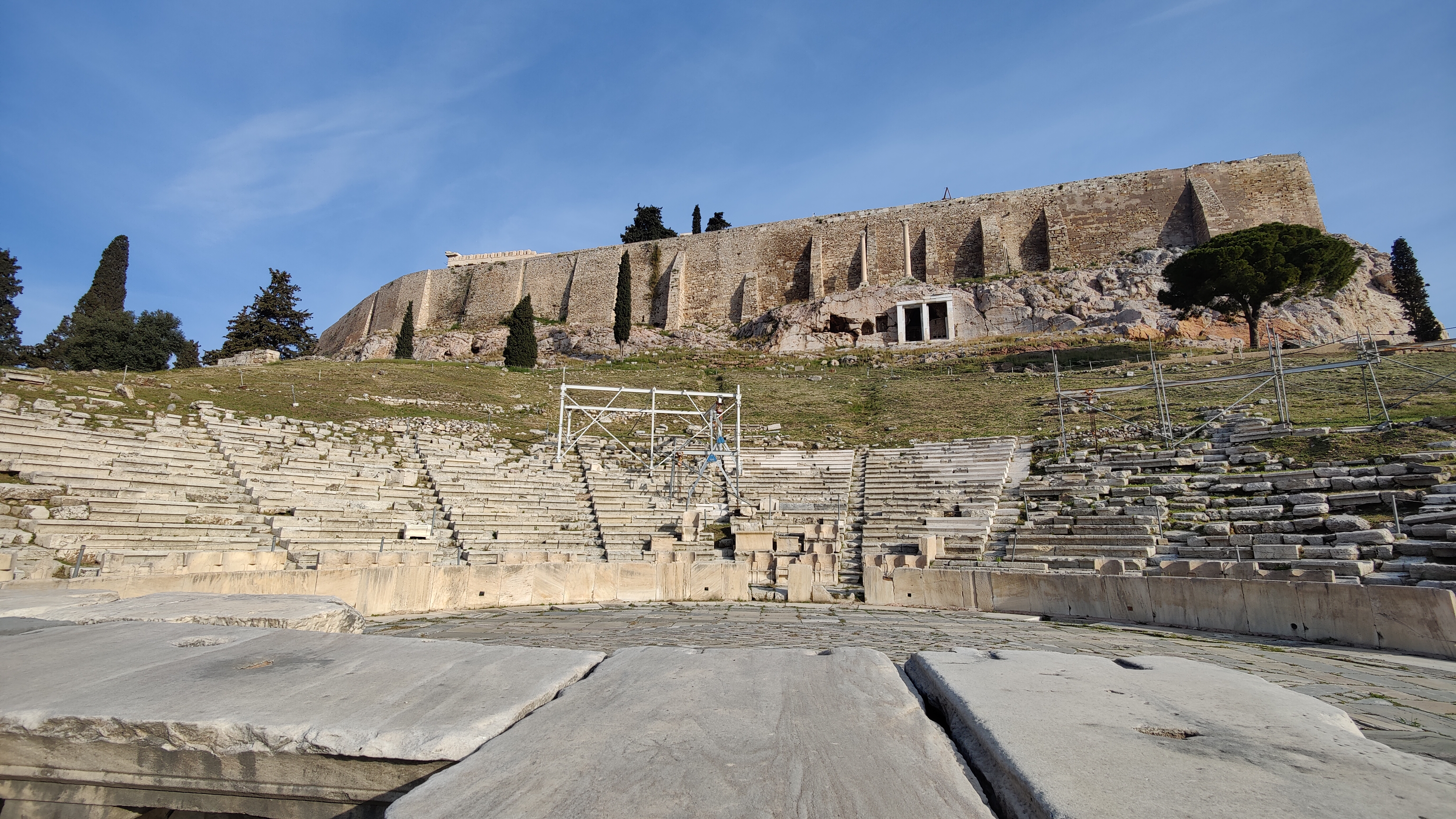
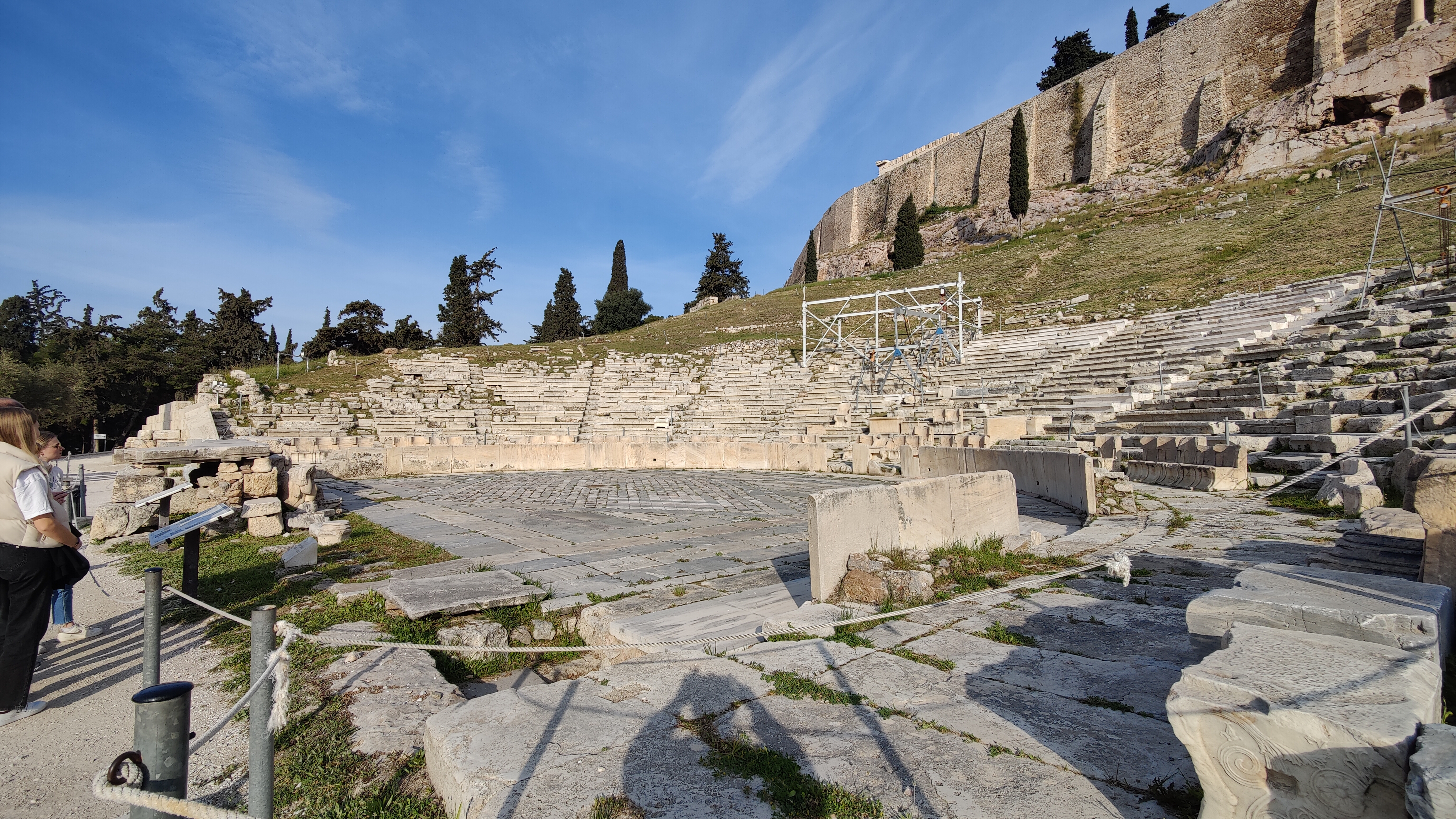
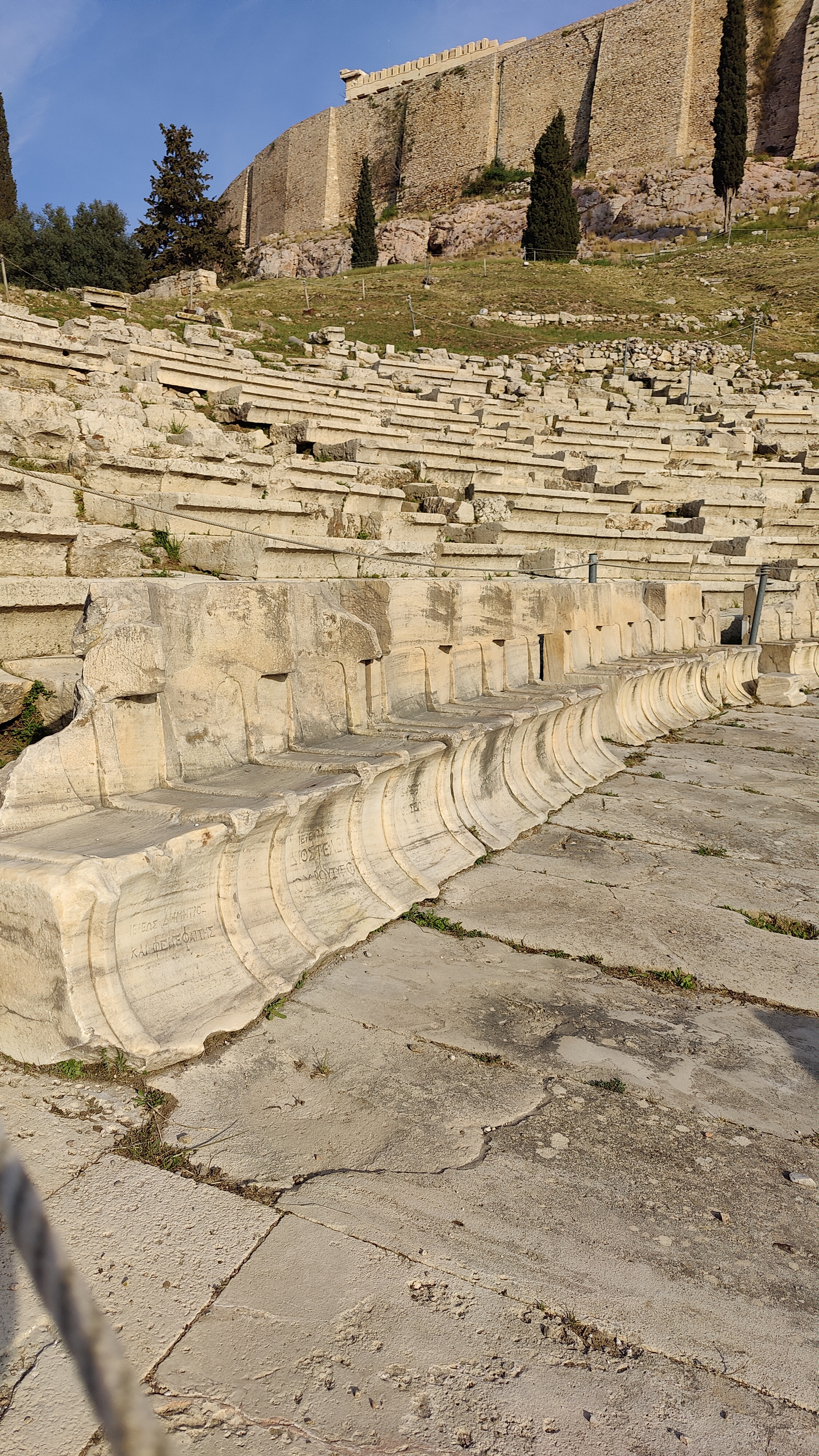
(Created claim: Internal image (P24): GR_Athens_Dyonisos_2.jpg) | (Added [en-gb] label: Theatre of Dionysus) | ||
| (7 intermediate revisions by 2 users not shown) | |||
| label / en-gb | label / en-gb | ||
| + | Theatre of Dionysus | ||
| Property / Internal image | |||
| + | |||
| Property / Internal image: GR_Athens_Dyonisos_detail.jpg / rank | |||
| + | Normal rank | ||
| Property / Source URL | |||
| + | |||
| Property / Source URL: https://ancienttheatrearchive.com/theatre/athens-dionysos/ / rank | |||
| + | Normal rank | ||
| Property / Carthalia ID | |||
| + | |||
| Property / Carthalia ID: 382 / rank | |||
| + | Normal rank | ||
| Property / Preservation state | |||
| + | |||
| Property / Preservation state: extant building / rank | |||
| + | Normal rank | ||
| Property / Preservation state | |||
| + | |||
| Property / Preservation state: Disused / rank | |||
| + | Normal rank | ||
| Property / Note | |||
| + | [Theatre of Dionysus/Bacchus] Ancient Greek theatre, built 342-326 BC for archon Lycurgus at the site where various theatre buildings had been erected since the early 6th century BC. 17,000 seats. Alterations in the 3rd and 2nd century BC, and then again ca. 61 AD under Roman emperor Nero (raised stage, stone proskenion, 2nd skene storey). Marble barrier between skene and audience added in the 1st century AD. Honour seats added in Roman times. After the 4th century AD the theatre was not used anymore and fell into decay. 1765 rediscovered. Archaeological examination and restoration in the late 19th century under Wilhelm Dörpfeld. All extant classical Greek dramas were first presented in the theatres on this site. (English) | ||
| Property / Note: [Theatre of Dionysus/Bacchus] Ancient Greek theatre, built 342-326 BC for archon Lycurgus at the site where various theatre buildings had been erected since the early 6th century BC. 17,000 seats. Alterations in the 3rd and 2nd century BC, and then again ca. 61 AD under Roman emperor Nero (raised stage, stone proskenion, 2nd skene storey). Marble barrier between skene and audience added in the 1st century AD. Honour seats added in Roman times. After the 4th century AD the theatre was not used anymore and fell into decay. 1765 rediscovered. Archaeological examination and restoration in the late 19th century under Wilhelm Dörpfeld. All extant classical Greek dramas were first presented in the theatres on this site. (English) / rank | |||
| + | Normal rank | ||
| Property / Note: [Theatre of Dionysus/Bacchus] Ancient Greek theatre, built 342-326 BC for archon Lycurgus at the site where various theatre buildings had been erected since the early 6th century BC. 17,000 seats. Alterations in the 3rd and 2nd century BC, and then again ca. 61 AD under Roman emperor Nero (raised stage, stone proskenion, 2nd skene storey). Marble barrier between skene and audience added in the 1st century AD. Honour seats added in Roman times. After the 4th century AD the theatre was not used anymore and fell into decay. 1765 rediscovered. Archaeological examination and restoration in the late 19th century under Wilhelm Dörpfeld. All extant classical Greek dramas were first presented in the theatres on this site. (English) / qualifier | |||
| + | |||
Latest revision as of 14:52, 14 January 2026
Theatre building in Athens, Greece
- Theatre of Dionysus
| Language | Label | Description | Also known as |
|---|---|---|---|
| English | Theatre of Dionysus [Athens] | Theatre building in Athens, Greece |
|
Statements
69
0 references
37°58'13.454"N, 23°43'39.997"E
0 references


[Theatre of Dionysus/Bacchus] Ancient Greek theatre, built 342-326 BC for archon Lycurgus at the site where various theatre buildings had been erected since the early 6th century BC. 17,000 seats. Alterations in the 3rd and 2nd century BC, and then again ca. 61 AD under Roman emperor Nero (raised stage, stone proskenion, 2nd skene storey). Marble barrier between skene and audience added in the 1st century AD. Honour seats added in Roman times. After the 4th century AD the theatre was not used anymore and fell into decay. 1765 rediscovered. Archaeological examination and restoration in the late 19th century under Wilhelm Dörpfeld. All extant classical Greek dramas were first presented in the theatres on this site. (English)
0 references
Theatre of Dionysus (modern Athens, Greece). Cavea width: 82 m, orchestra width: 26.53 m; capacity: 17,000; Orchestra, early 5th cent. BCE, Periclean construction late 5th cent. BCE, Lycurgian construction mid 4th cent. BCE, Neronian renovatons mid 1st cent. CE. (English)
0 references
499 BCEGregorian
0 references
17,000
0 references
Dionysus Theatre
5th century BC (English)
The Dionysus Theatre in Athens was the most important theatre in ancient Greece and is also considered the first theatre in the world. It was named after Dionysus, the god of wine, ecstasy and madness.
5. century BCE
0 references
5. century BCE
0 references